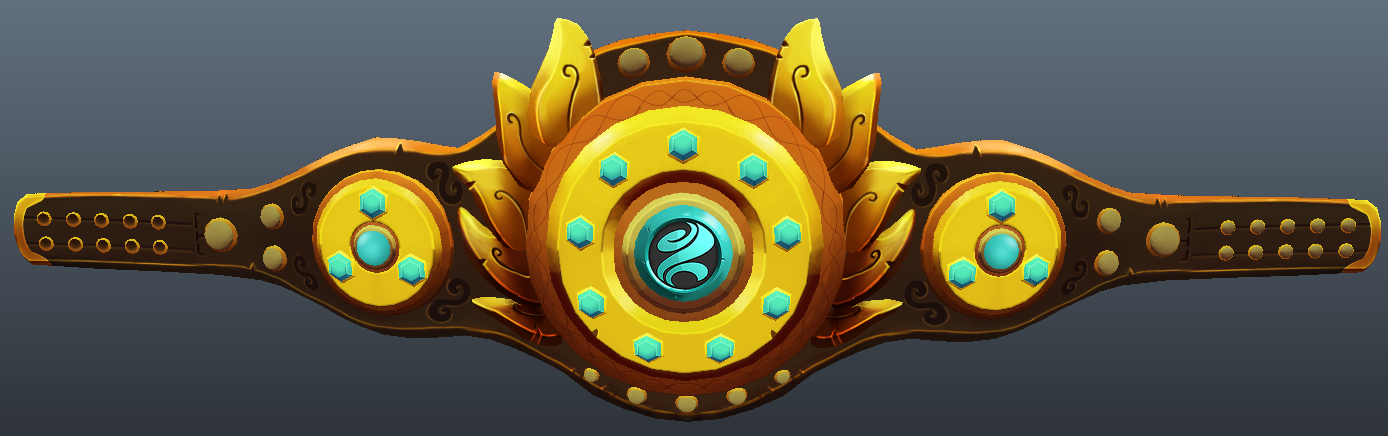

Massive Brush Studios
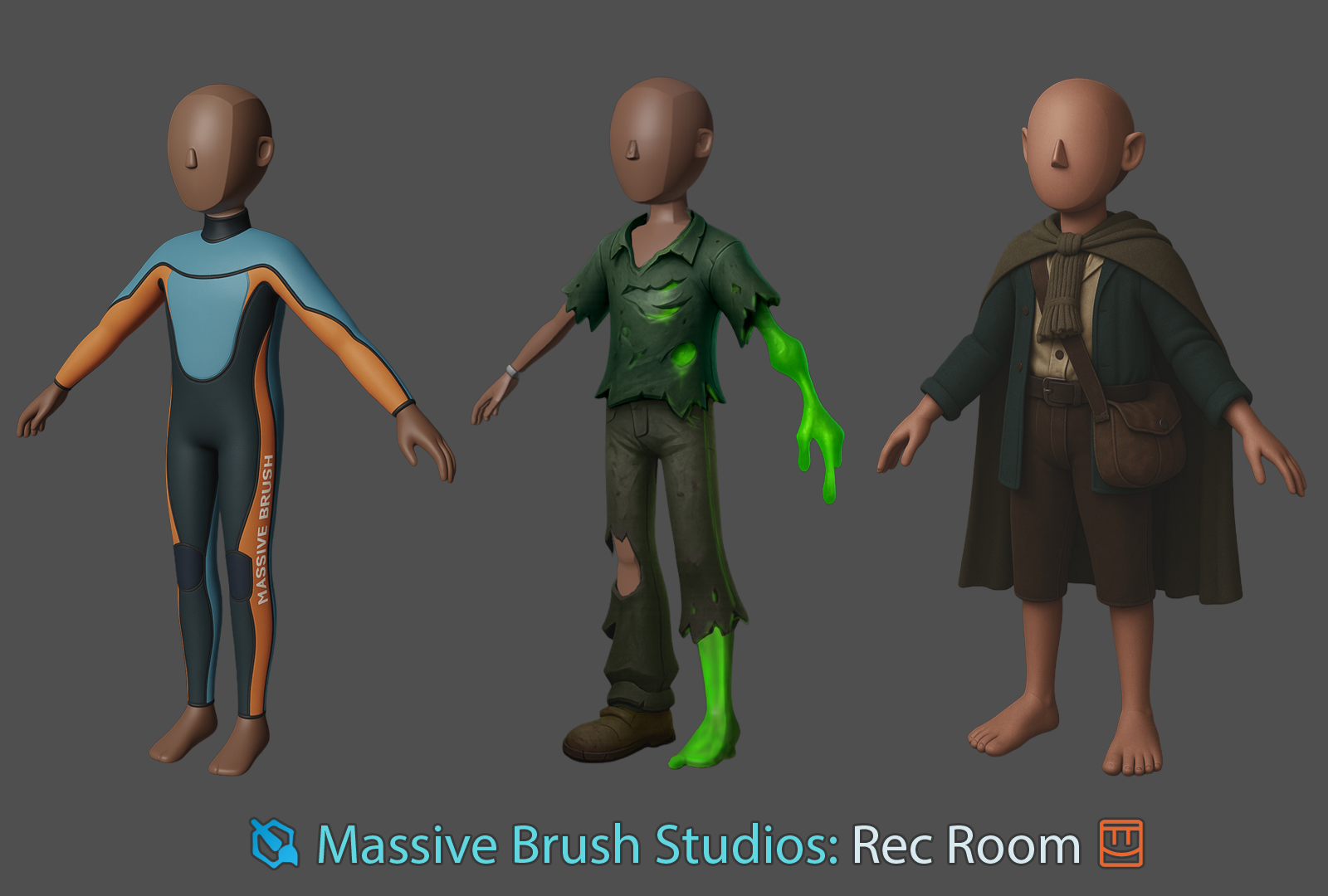
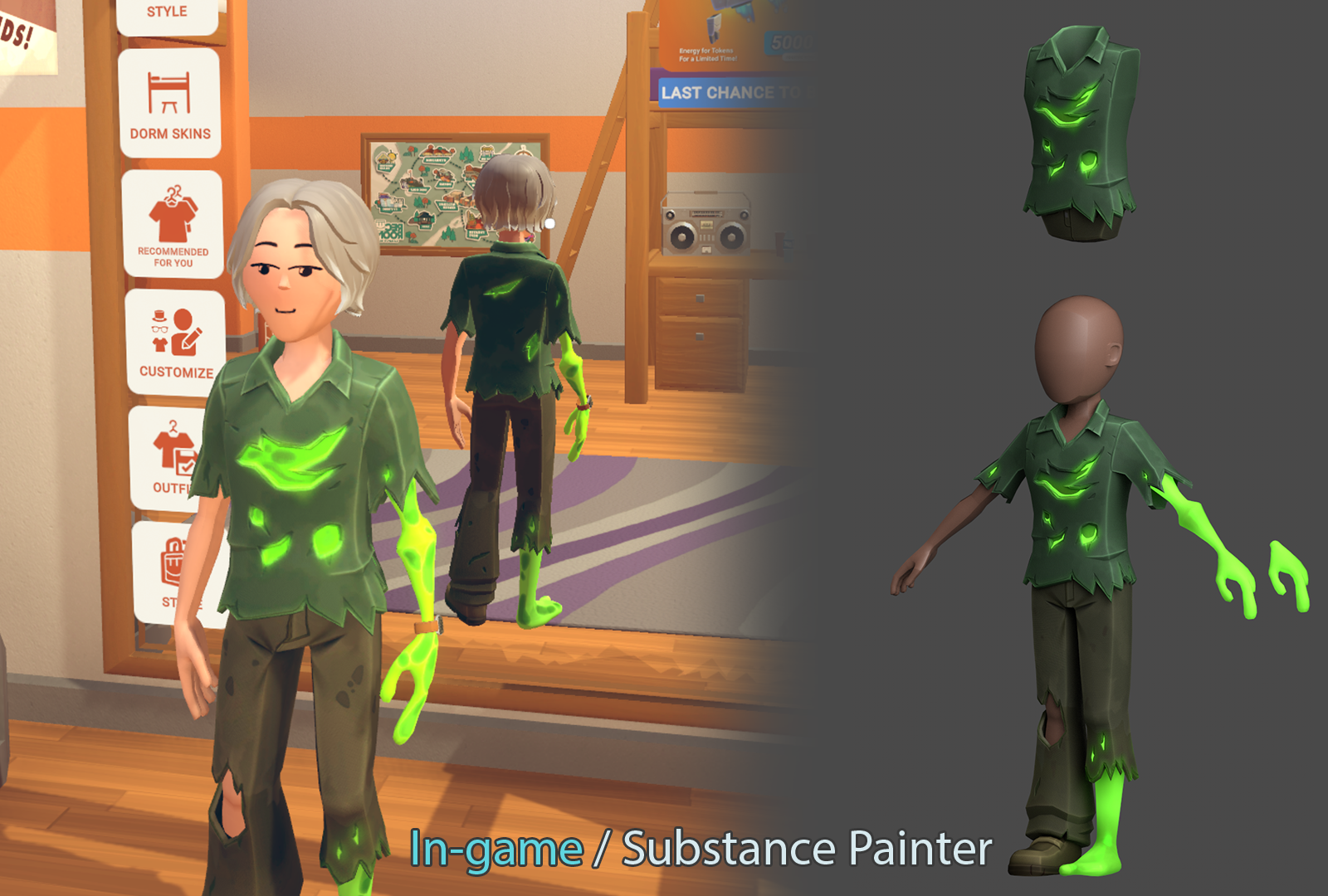
Worked directly with the studio's CTO and their Malaysia-based art team producing UGC content for Rec Room.
Responsibilities
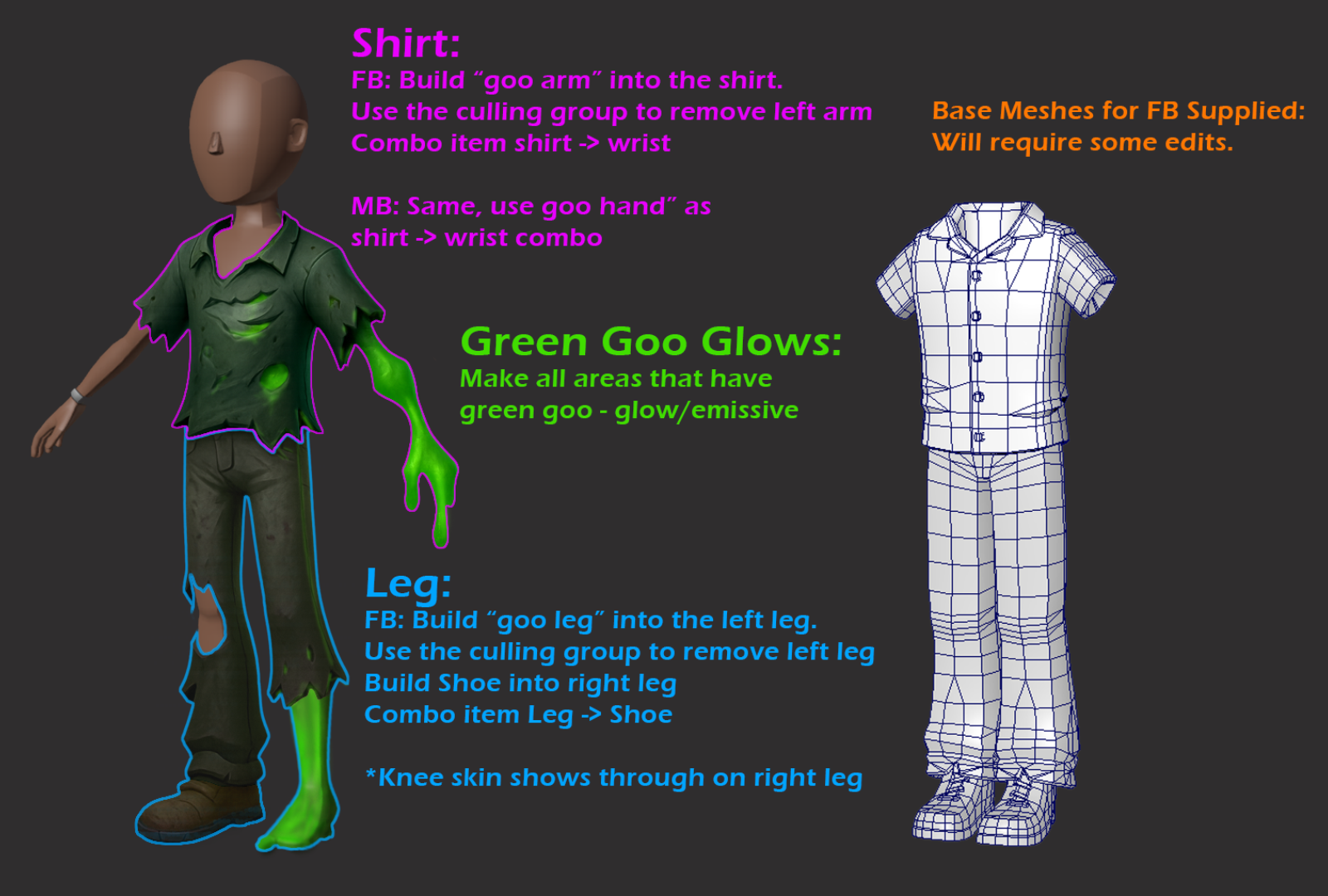
- Established a workflow lean enough that a three-quarter concept and brief written direction were enough to start production.
- Worked from Rec Room's base meshes, which cut turnaround significantly.
- Ran review passes that kept external work on style and on spec.

Glu Mobile
Managed internal and external art production across three titles that grossed $80M over two years.
Responsibilities
- Managed a team of six artists at Glu's sister studio in Hyderabad across all three titles.
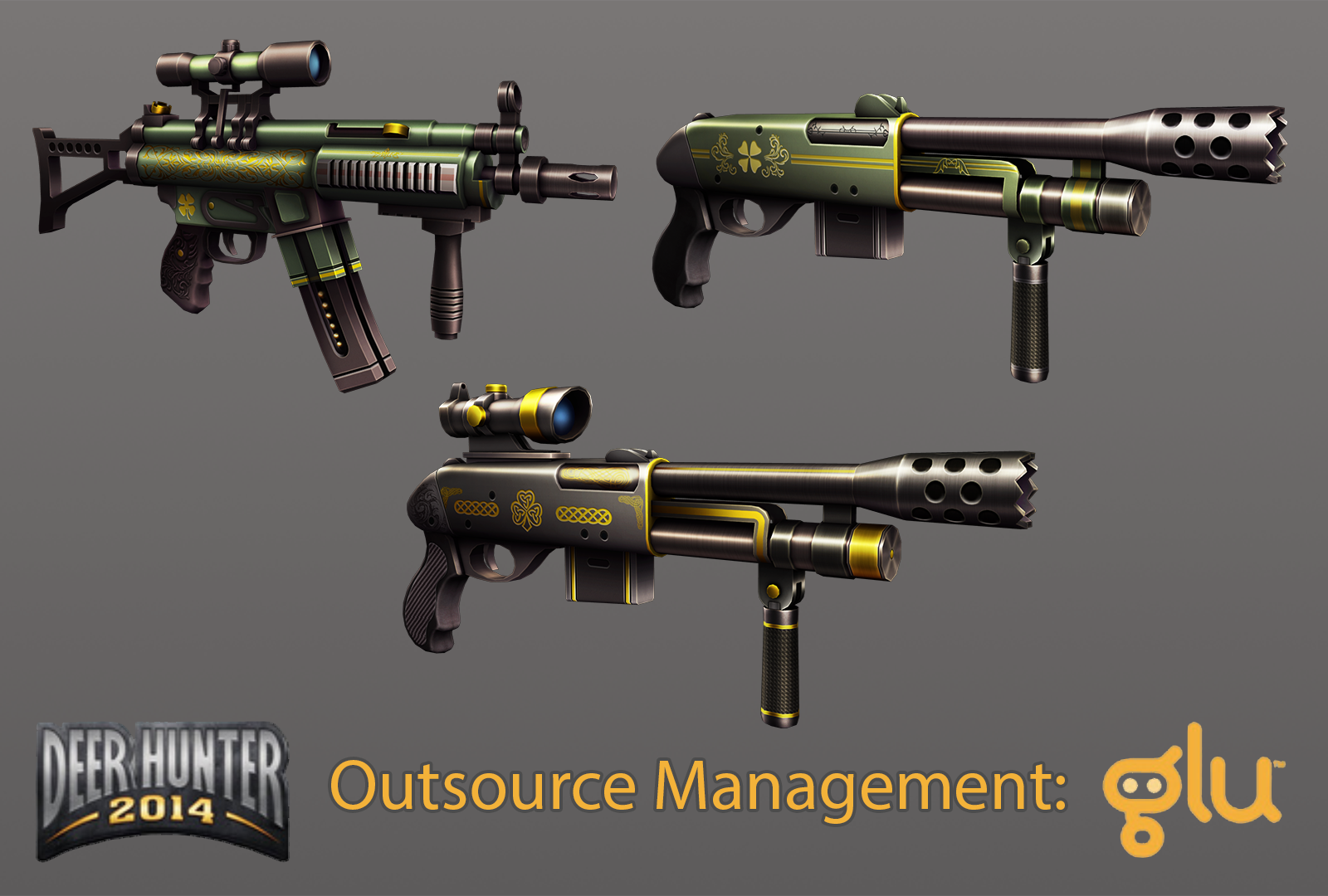
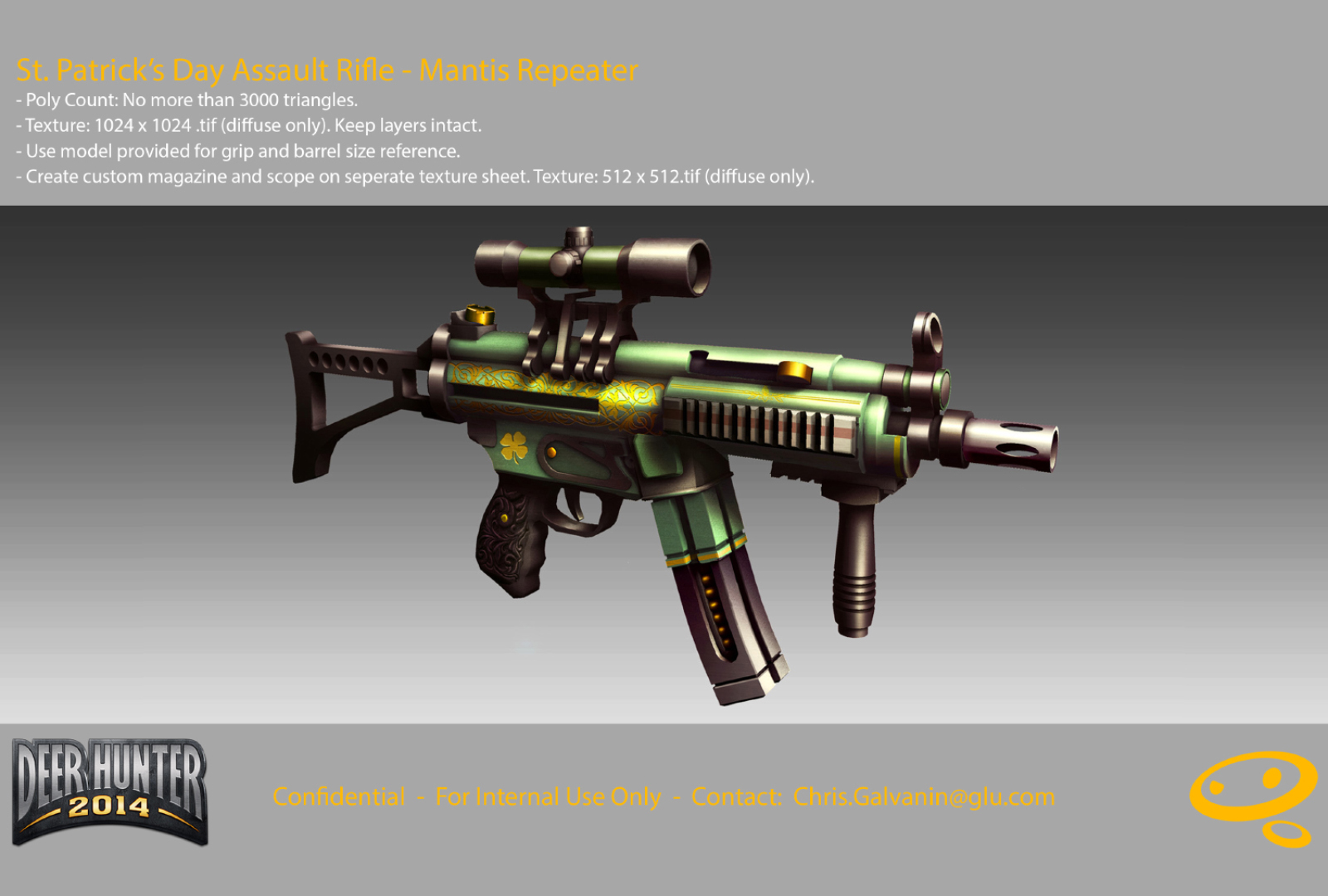
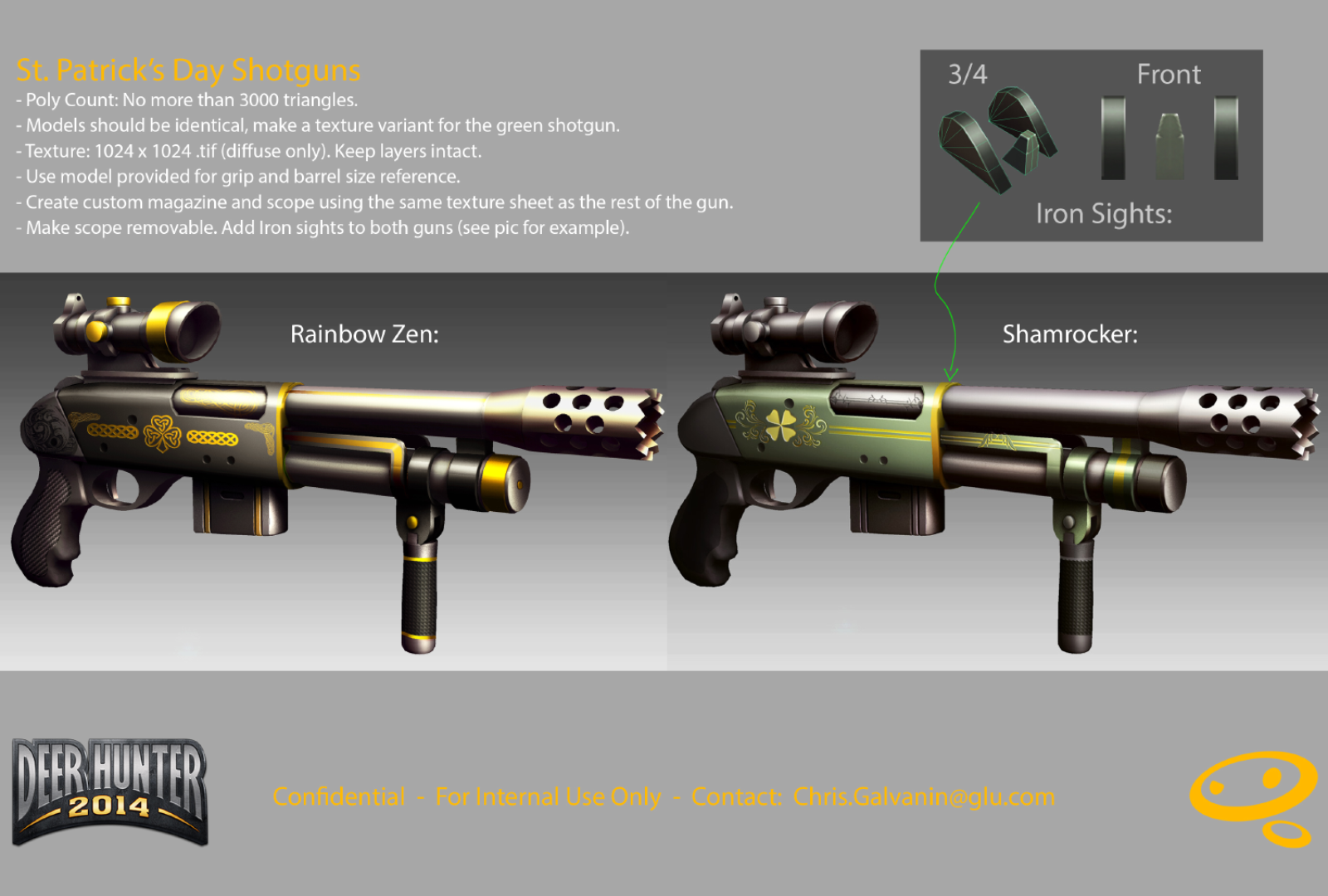
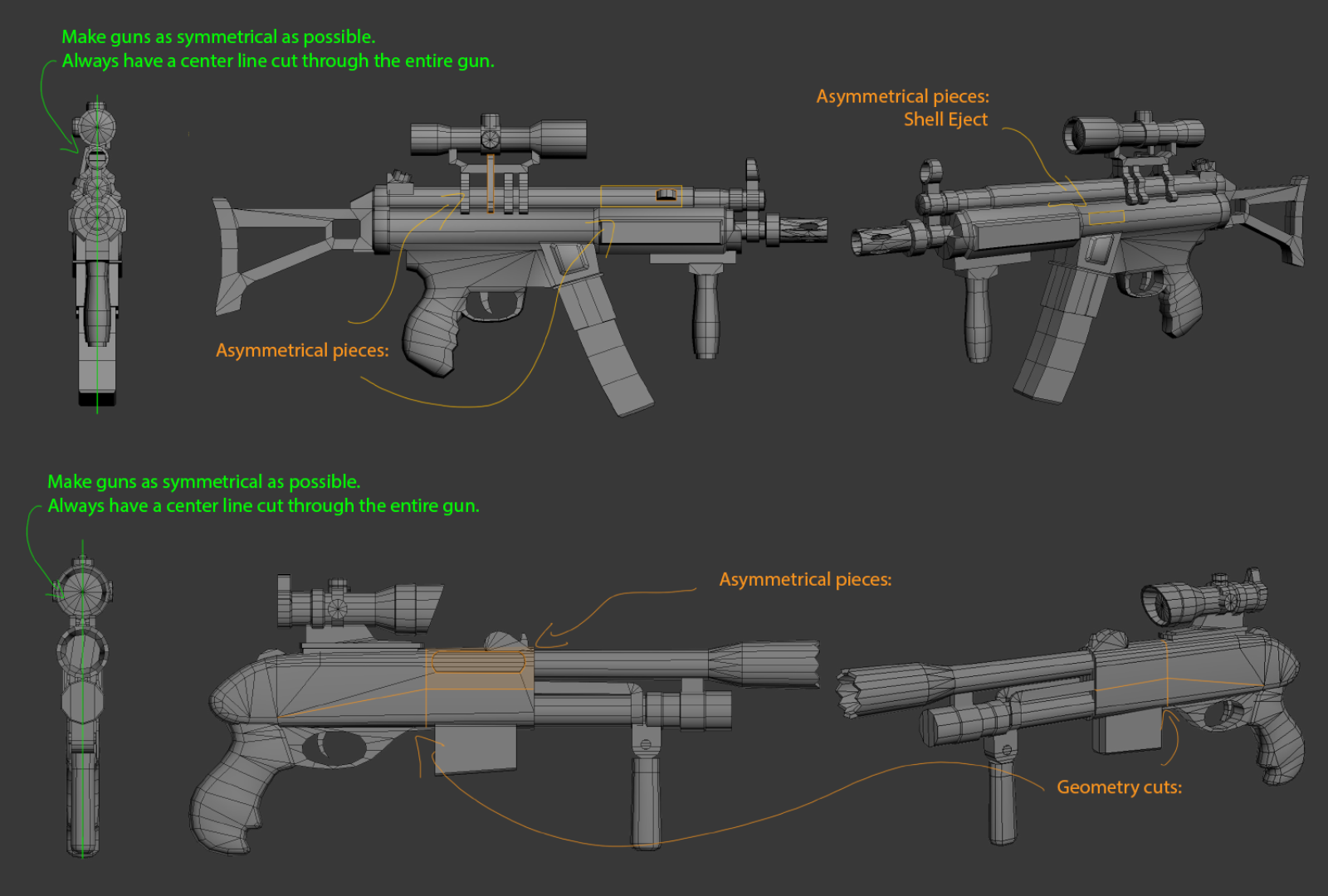
- Built and standardized external production pipelines, onboarding vendors with clear specs and fixed review checkpoints that raised first-pass acceptance.
- Directed bi-weekly content updates spanning internal and external teams in India and North America, holding quality and budget across a sustained release cadence.
I do not write production code. I am the artist in the room who knows exactly where the friction is, and I work with tech artists and engineers to remove it. That combination is why the tools I help build get adopted instead of ignored. Artists use them because they were designed around how artists actually work.
Avatar Studio and Downloadables
The friction
Every item lived inside the client build. The client was bloated, crash-prone on low-end devices, and creators had no path to the internal team's 3D pipeline.
The result
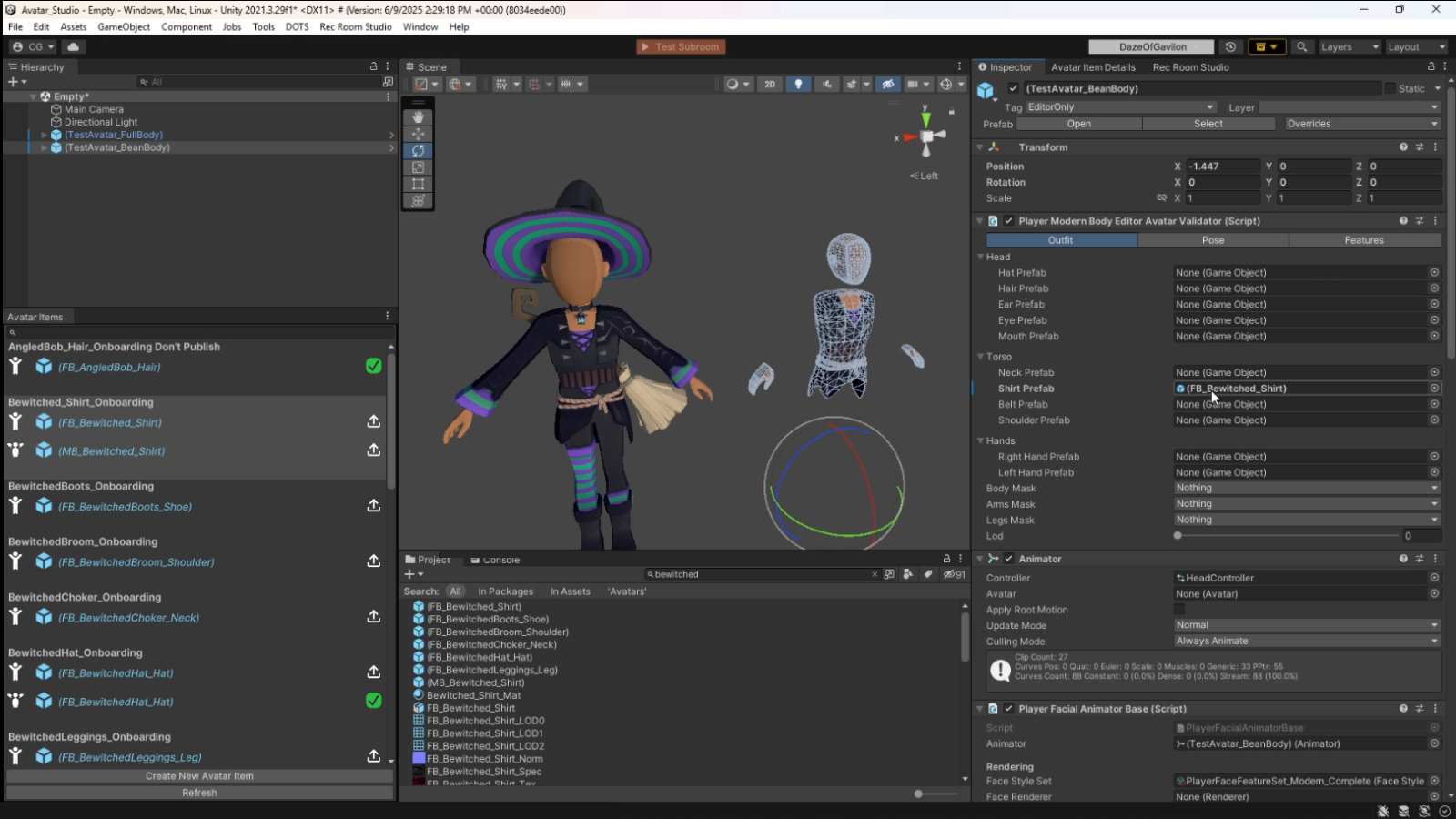
Avatar Studio gave UGC creators the tools that scaled Rec Room's entire catalog to more than 6,000 items, which flipped UGC-made items to the company's primary revenue driver.
On top of that, the Downloadables move halved client build size and cut crash rates on low-end devices from roughly 15% to 5%.
How did I do that
- Partnered with a tech artist on Downloadables, a restructure that moved items out of the client and onto REC.NET as streamed, cloud-hosted assets. They built it. I drove the artist-facing interactions, such as naming conventions and how artists would work with the prefabs in Unity.
- Co-led design of the Unity toolchain underneath Avatar Studio, from import through validation to publish, built to pull from and publish to that same Downloadables system.
- Wrote the bulk of the creator documentation and led most of the onboarding presentations, sharing the program with my art lead and a community manager.
- Ran the later onboarding waves on my own, 120 creators over eight months, with structured training and QA workflows.
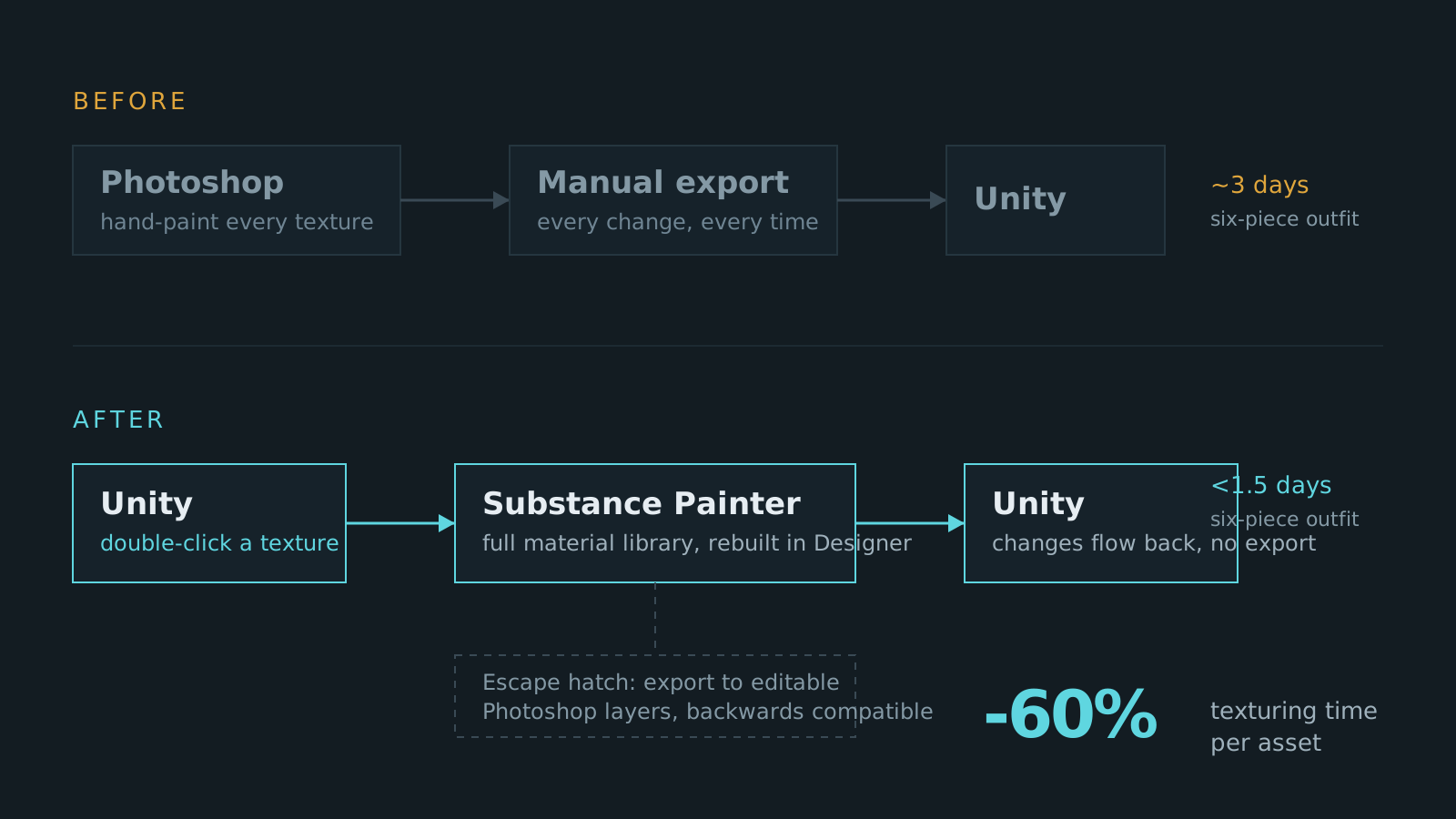
- Brought our internal Substance pipeline (shown below) into how UGC creators worked, compounding their speed gains.
Substance pipeline conversion
The friction
Every texture was hand-painted in Photoshop, days of repeat work on every outfit.
The result
Texturing time dropped about 60%. What took three days now took under a day and a half. The same system became the foundation for how UGC creators work in Avatar Studio, where the gains compounded.
How did I do that
- Pitched the transition to my art director and lead, and was told to prove it.
- Surveyed the artists, then ran timed tests, retexturing assets in a fraction of the time using Substance Painter with materials I built in Substance Designer. The measured savings won sign-off.
- Personally rebuilt the material library in Designer, matched to the original hand-painted look so nothing shifted visually.
- Wrote the documentation, delegating part of its buildout to two artists eager to make the switch, and presented the system at an art onsite.
- Worked with tech artists to make it seamless in Unity: double-click a texture, it opens in Substance, matching the old Photoshop workflow. A custom export to editable Photoshop layers kept it backwards compatible.
- Kept building new materials at artists' request after rollout to fill the gaps.
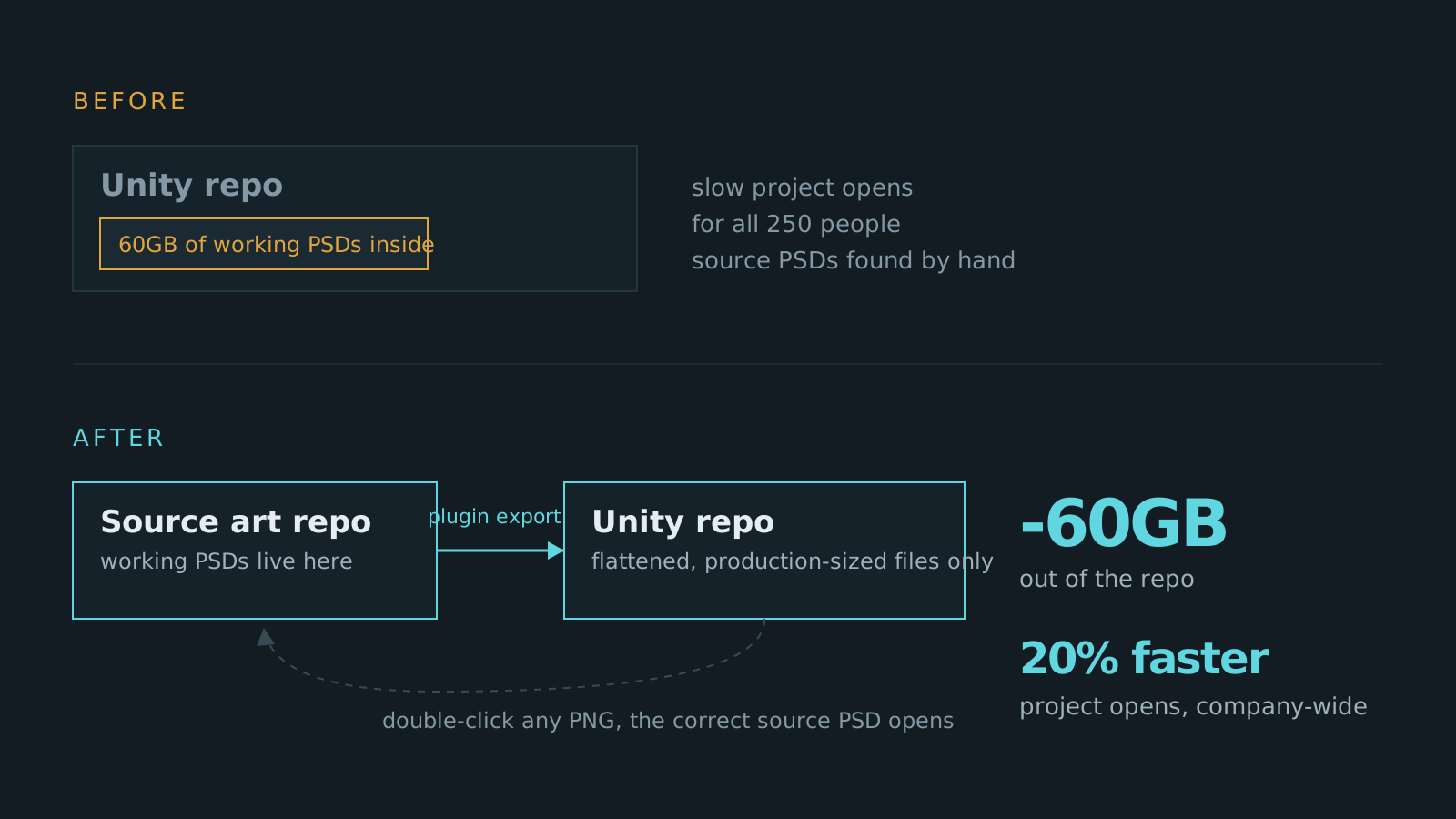
Photoshop to Unity export plugin
The friction
Roughly 60GB of working PSDs lived in the Unity repo, slowing the project for all 250 people at the company. With no mirrored source repo, finding the right PSD by hand was its own tax.
The result
Project open times dropped 20% company-wide, and 60GB of bloat left the repo. Artists got a clean loop: edit, export, check in.
How did I do that
- Served as artist lead on a Photoshop plugin built with our tech artists.
- Led the UI design, doing most of the design work with their input.
- Shaped the export flow: flattened, production-sized files land in Unity while working PSDs stay in the source repo.
- Helped define the companion tool that opens the correct source PSD from any exported PNG in Unity.
The pattern is the same every time. Find where artists are losing hours to something that is not art, then work with engineering to make it disappear.
something together.